
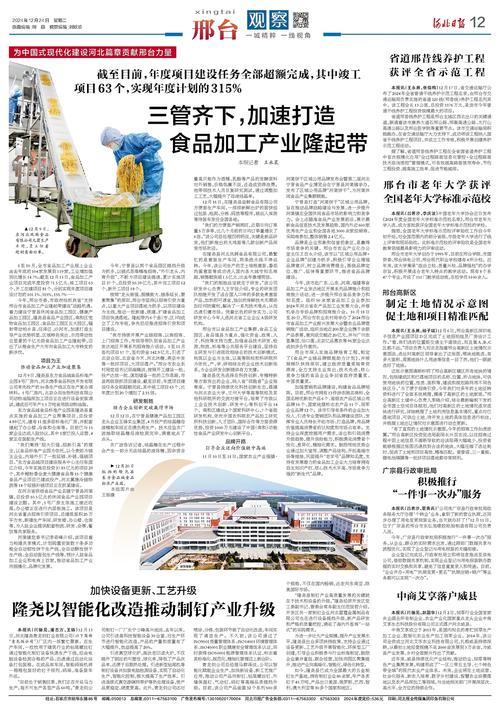
Three initiatives launched to accelerate the development of a food-processing industry growth belt.
Release date:
2025-04-17
As of now, all annual project construction tasks have been completed ahead of schedule, with 63 projects finished—achieving 315% of the annual plan.
Three initiatives launched to accelerate the development of a rising belt for the food processing industry.
Our reporter, Wang Yongchen
From January to October, the number of large-scale enterprises in the city’s food processing industry grew from 104 at the end of last year to 119, with the industrial value-added increasing by 14.7% year-on-year. As of December 15, food processing projects had completed annual investments totaling 7.15 billion yuan, with 63 projects already finished and 81 projects currently under construction or newly started—achieving 101.1%, 315%, and 155.7% of the annual project construction targets, respectively.
This year, the Xingtai Municipal Party Committee and Government seized the strategic opportunity presented by our province's initiative to "support the development of a thriving food-processing industry belt in Xingtai," and are now vigorously advancing the construction of five major industrial parks: the Ningjin County Leisure Food Processing Park, the Health Products Processing Park, the Longyao County Food Industry Park, the Nanhe District Pet Food Processing Park, and the general Food Processing Park. These parks will radiate outward, driving growth in neighboring counties such as Baixiang, Renze District, and Shahe City, and accelerating the creation of a robust, trillion-yuan-level food-processing industry belt that boasts distinct industrial advantages, prominent regional characteristics, and remarkable demonstration effects. This marks a significant step forward in Xingtai’s transformation from a major grain-producing city into a leading hub for food processing.
Projects are king.
Drive the food processing industry to accelerate its clustering.
On December 9, inside Factory No. 8 of the Food Standard Industrial Park in Dongfang Food City, Longyao County, Hebei Li Food Technology Development Co., Ltd. began production on its pioneering 10 production lines, which are currently churning out compound seasonings. Meanwhile, in Factory No. 1, Beijing Zhongze Biotechnology Co., Ltd.'s deep-processing project for animal fats is undergoing equipment installation and commissioning; once completed, it will have an annual capacity to produce 15,000 tons of food-grade animal fats.
The Eastern Food City Food Standards Industrial Park is a key food-processing industry cluster project being actively implemented in Longyao County, with a total investment of 489 million yuan. The park features 11 multi-story standardized factory buildings, complemented by office buildings, cold storage facilities, and warehouses. Currently, the park has reached occupancy agreements with 15 enterprises, three of which have already begun operations, while four others are in the process of assembling their production lines.
"We adhere to the philosophy of 'attracting big, strong players and nurturing new, high-quality enterprises,' leveraging the Food Standards Industrial Park as our foundation and taking Jinmailang as the anchor company. As a result, we’ve cultivated and attracted a batch of projects aimed at extending, complementing, and strengthening our industrial chain." Zhang Guojiang, Director of the Eastern Food City Project Construction Service Center, explained that this year, 29 projects with a total investment of 3.783 billion yuan are being implemented. Among these, 15 health food industry projects—such as the Hufenxiang Whole-Wheat Health Food initiative—have already been completed and put into operation, while 14 extension and supplementation projects, including Hebei Kang Cold-Chain Logistics, are currently under rapid construction.
In Hequ Town, Ningjin County—renowned as a hub for the baking industry in Hebei Province—the construction of a leisure food industrial park project, with a total investment of 1.05 billion yuan, is now in full swing. Notably, the main structure of Factory No. 1 is nearing completion, while interior panel work is underway in the office building. As a key investment attraction project in Hebei Province, the park boasts a total construction area of 250,000 square meters, featuring newly built production workshops, R&D facilities, office buildings, warehouses, and more. It will provide resident enterprises with integrated support services, including logistics, research and development, trade exhibitions, and catering amenities.
Li Qifeng, Party Secretary of Hequ Town, introduced that the project focuses on building a shared model, with plans to purchase and install dozens of multifunctional, fully automatic resilient biscuit production lines, fully automatic shortbread biscuit production lines, and fully automatic bread production lines. It is expected that over 100 food processing companies and e-commerce businesses will move in, driving the food-processing industry toward larger-scale and more branded development.
This year, Ningjin County has taken the upgrading of its two food parks as a key driver, employing chain-based thinking to precisely attract investment—both "bringing in industry leaders from outside" and "cultivating upgrades domestically." As a result, the county continues to accelerate project development, having cumulatively launched 37 projects with a total investment of 5.039 billion yuan. Among these, 12 projects have been completed, while 18 new projects have officially broken ground.
Following the principles of "strengthening leading enterprises, scaling up operations, extending industrial chains, and attracting key resources," Xingtai City has remained steadfast in prioritizing investment promotion, using the successful implementation of major industrial projects as a driving force, and keeping project construction at the core of its development strategy. As a result, a batch of new, ongoing, and expanded food-processing projects have been rapidly launched. Meanwhile, all six counties (cities and districts) within the growth belt have established dedicated task forces, eagerly competing to advance investment attraction and project construction initiatives.
“Our city has continuously pursued industry-chain investment promotion, business-to-business recruitment, and proactive on-site outreach efforts. City leaders have led teams to regions renowned for their thriving food-processing industries, launching a series of high-profile investment promotion events. From January to November, we signed 57 projects with a total contracted investment of 14.29 billion yuan, attracting a batch of promising, large-scale projects such as Beijing Zhongze, Beijing Shiweitian, Hebei Mutang, and Yanjing Zhongfa to establish themselves here.” Qiu Haitui, Party Secretary of the Xingtai Municipal Bureau of Agriculture and Rural Affairs, added that, following the strategic approach of "starting construction on一批, putting一批 into production and achieving effectiveness, and planning and reserving a批," both municipal and county-level authorities have vigorously focused on project development. As of now, all annual project construction targets have been surpassed—specifically, 63 projects have been completed, exceeding the yearly plan by 2.15 times, which originally set a target of 20 projects.
R&D for Success
Helping enterprises innovate, break through, and win in the market
On December 12, at Yufeng Industrial Group, the leading enterprise in Ningjin County's health product processing park, the refined mother liquor workshop for crystalline sugar—which began production in April—is now operating at full capacity. Technical Director Chan Guangbo completed sampling and testing of the crystalline sugar mother liquor and nodded approvingly.
Qi Guangbo told reporters that during the production of crystallized sugar, a portion of non-crystallizable liquid sugar is generated. Due to its high impurity content, this liquid can only be sold externally as a fermentation raw material for products like alcohol and lactic acid—resulting in low prices and, unfortunately, significant resource waste. He led his team of technicians in repeated research and testing, successfully boosting the crystallization rate of the mother liquor significantly by optimizing the processing techniques.
On December 16, in the instant noodle production workshop of Yixian Food Co., Ltd. in Longyao County, freshly baked noodle sheets were sequentially packaged, inspected, sorted, and stacked—ready to be moved into the warehouse, where they’ll await loading for shipment to destinations across the country.
"Our instant noodles are experiencing robust sales and production—recently, we’ve been receiving over 50,000 orders per day on average, a sixfold increase compared to just a few months ago," said Si Mingming, the company’s general manager. He added that the key lies in new product development, noting that their newly launched products, such as the Turkey Noodle, have been warmly embraced by the market.
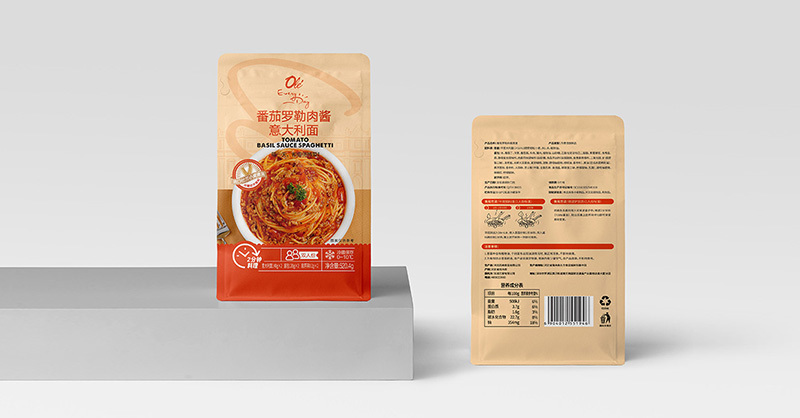
At Hebei Fenghan Food Co., Ltd. in Longyao County, the busiest area is the pasta production workshop, where two assembly lines are running non-stop. This year, the company’s products—such as cheese and bacon pasta and tomato meat sauce pasta—have successfully entered well-known supermarkets in major cities across China, driving sales past 150 million yuan, a remarkable two-fold increase compared to last year.
"Our secret weapon lies in research and development," introduced Wang Yuheng, head of the company's R&D center. He explained that their dedicated R&D team has successfully developed several no-cook pasta products tailored to Chinese consumers' tastes—ready-to-eat with just a quick heating process. What’s more, their pioneering preservation technology eliminates the need for any added preservatives, overcoming a series of technical challenges and quickly capturing the market. Thanks to their outstanding R&D capabilities, the company’s R&D center was recently recognized this year as an A-level R&D institution among industrial enterprises in Hebei Province.
Xingtai City is focusing on building a robust food processing industry cluster, establishing food industry parks, and strengthening key counties in the food sector. The city is intensifying its support in areas such as funding, policies, talent development, and technological innovation, while also bolstering the development of public service platforms for food technology R&D, quality testing, logistics, and standard-setting. Xingtai firmly adheres to a technology innovation model that combines independent research and development with the strategic introduction and absorption of advanced technologies. This approach helps create an enterprise-centered innovation system, backed by leading universities and research institutions, fostering seamless integration among industry, academia, and research—ultimately providing strong support for companies driving innovation and growth.
Longyao County prioritizes selecting enterprises that excel in areas such as scientific and technological innovation, specialization, refinement, and novelty, incorporating them into the province's "Leader" Enterprise Cultivation Database. Ningjin County continues to optimize its science and technology innovation ecosystem by establishing platforms for exchange and collaboration with prestigious universities like Hebei Agricultural University and Lanzhou University, as well as other research institutions. As a result, the county has nurtured 14 sci-tech innovation platforms at or above the city level, including enterprise technology innovation centers and R&D centers. Meanwhile, Nanhe District has already established 2 national research centers and 7 provincial-level R&D institutions. Leveraging the China Academy of Agricultural Sciences' Institute of Food Processing Technology's strengths in innovation, talent development, and international partnerships, the district has invested 10 million yuan to build the China (Nanhe) Functional Food Industry Research and Development Center—an innovative platform dedicated to advancing the region's food industry.
Brand Leads the Way
Guide enterprises toward the high-end and mid-range segments of the value chain
From November 10 to 11, the National Agricultural Industry Strong Town – Hequ Biscuit Regional Public Brand Launch Event, along with the 2nd Hebei Ningjin Food Industry Expo, was held in Hequ Town, Ningjin County. During the event, the regional public brand "Hequ Biscuit" was unveiled, injecting new momentum into Hequ's leisure food industry cluster.
Ningjin County is developing the regional public brand "Hequ Biscuits," aiming to drive the strategic development of the brand and enhance Hequ Town's influence and competitiveness in the national leisure food market. At the event, participants also focused on cutting-edge trends in the food industry, showcasing the latest food information technologies and industry developments. Nearly 600 outstanding domestic and international food producers, along with more than 3,000 distributors and buyers from across China, attended the gathering, resulting in total sales of 240 million yuan.
The brand is a symbol of a company’s image and reputation—and it’s the key to winning in market competition. Wang Baiyong, Director of the Xingtai City Agricultural Industrialization Office, introduced that the city is taking the creation of a “regional public brand + enterprise brand” as its main approach, actively guiding enterprises to enhance their brand awareness and foster a consumer mindset centered on branding. Focusing on critical areas such as brand positioning, promotion, and extension, the city is steadily advancing the development of its food brands.
This year, the city launched a series of brand promotion and investment attraction events in food-processing hubs such as Guangdong, Shandong, Henan, and Fujian, further enhancing Xingtai's competitiveness and brand visibility in the food industry. More than 50 food-processing enterprises were invited to participate in the 2024 Hebei Province Agricultural Product Processing Industry Development Conference, where they also hosted a dedicated brand and investment promotion event. From October 18 to 20, the Xingtai Municipal Bureau of Agriculture and Rural Affairs organized the 2024 Xingtai Food Processing Industry Promotion Conference and Agricultural Brand Marketing Event, bringing together nearly 200 local companies showcasing over 1,000 product offerings. The event resulted in preliminary deal intentions worth nearly 2 billion yuan, with 96 companies—including Guangzhou Nongken Group, Yikou Lian, and Beijing Yipin Huinong—already reaching initial cooperation agreements.
Xingtai City is deeply implementing its brand-development initiative by formulating the "Food Industry Chain Brand Empowerment and Support Plan." Following the principle of tiered support, the city has established a government-quality-award cultivation resource pool to fully back food enterprises that excel in their core businesses, boast advanced technologies, and possess strong competitive edges—as they strive to win the Provincial Government Quality Award and even the China Quality Award.
Strengthen marketing and brand-building efforts to create a robust food-brand portfolio. Currently, Xingtai City boasts 13 renowned agricultural trademarks, 6 nationally recognized specialty, high-quality, and innovative agricultural products, 16 provincial-level regional public brands for agricultural products, 11 national geographical indication-certified agricultural items, and 12 leading enterprise brands. The city is encouraging qualified enterprises to increase their investments, bringing in professional marketing and brand-building teams to leverage the expertise of these professionals in expanding markets and establishing strong brands—ultimately enhancing consumer awareness and boosting market share through brand value. Additionally, businesses are being supported in deeply exploring user needs, adapting to and even leading the evolving trend of consumption upgrading, thereby improving their supply capabilities and proactively meeting consumers' personalized, differentiated, and sophisticated demands. Traditional companies with established strengths are also encouraged to reinforce their "time-honored" brand recognition through intensified promotional activities, strategic product restructuring, and targeted expansion into premium markets. Meanwhile, promising food-processing enterprises are being actively nurtured to develop cutting-edge "new-generation" brands that feature independent intellectual property rights, advanced core technologies, and formidable market competitiveness.
Related content

Service Hotline
Corporate Email
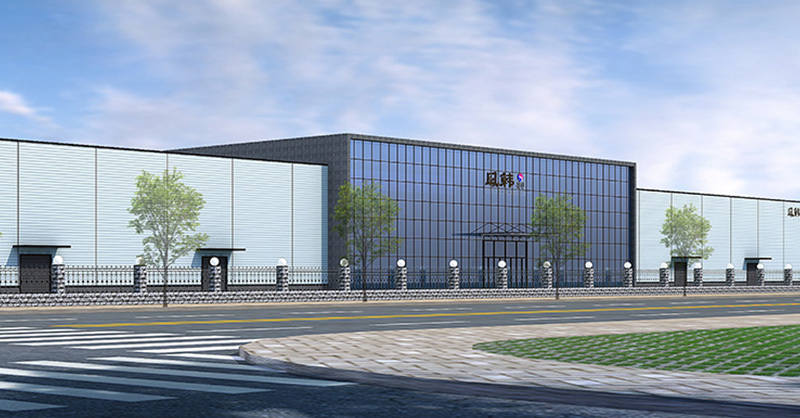
Hebei Fenghan Food Co., Ltd.
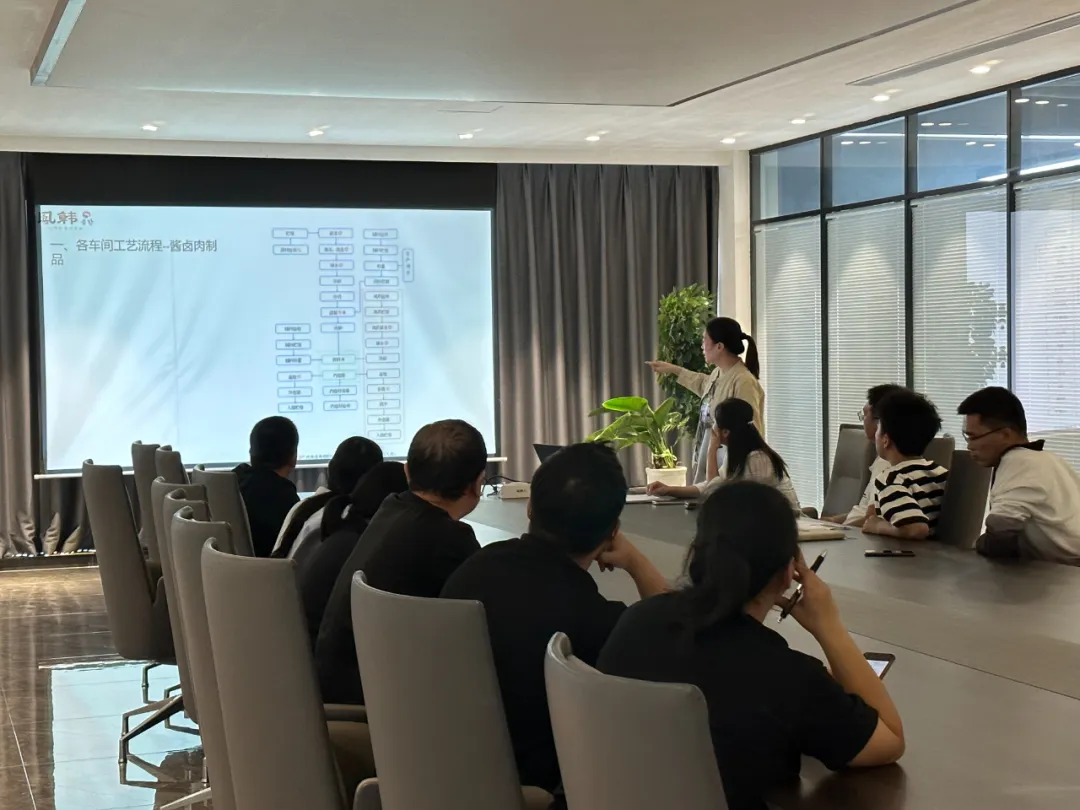
Currently, the company operates 3 production facilities with a total floor area exceeding 40,000 square meters. These facilities include a state-of-the-art 100,000-level cleanroom workshop, a provincial-level R&D center, a sterile microbiology testing lab, and specialized production lines for kimchi, rice cakes, pasta, sauces, and braised/seasoned products.
Scan the code to follow

Scan the code to follow us
Leave a Message Online
